The Bible is not merely one of the world’s greatest books. It is the greatest book in the world’s history.
Few books have shaped the world as profoundly as the Bible. It has been translated into thousands of languages, carried across continents, read in palaces and prisons, studied by scholars and treasured by ordinary families. It has inspired the world’s finest music, art, literature, education, missions, social reform and some of the most extraordinary acts of courage in human history.
And yet the Bible is far more than a remarkable book.
It is a library of sixty-six books, written over many centuries by different authors, in different circumstances, across different parts of the ancient world. It contains history, poetry, prophecy, wisdom, letters and biography. Its central story unfolds across thousands of years—from creation, through the history of Israel, to the life, death and resurrection of Jesus Christ.
That is extraordinary in itself.
But perhaps the most extraordinary thing about the Bible is what it claims to be.
It does not present itself simply as humanity’s search for God. It presents the story of God revealing himself to humanity.
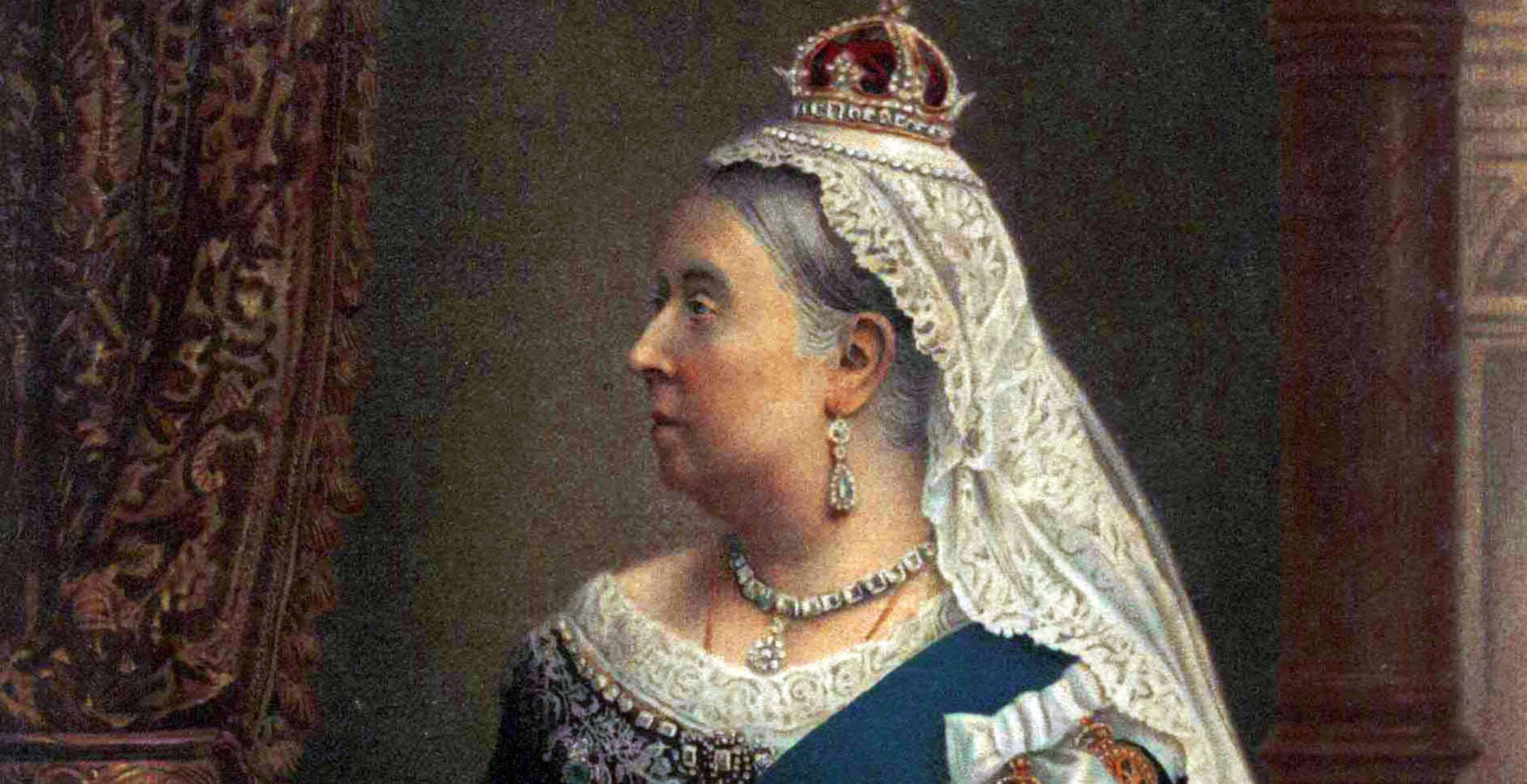
Queen Victoria is often credited with expressing something of the Bible’s extraordinary influence when she said:
“That Book, the Bible, accounts for the supremacy of England. England has become great & happy by the knowledge of the true God through Jesus Christ.”
Whether we agree with every word of that statement or not, it points towards something worth considering.
The Bible has had an extraordinary influence on Britain.
For centuries, access to the Bible was restricted, disputed and sometimes dangerous. Men and women risked imprisonment—and sometimes their lives—to translate, print, distribute and read the Scriptures in English. The fact that an English-speaking person today can pick up a Bible and read it for themselves is something we can easily take for granted.
And we shouldn’t.
Behind that ordinary-looking book is an extraordinary history.
There are the translators who wrestled with ancient languages. The printers who produced copies when printing itself was a revolutionary technology. The reformers who insisted that ordinary people should be able to read Scripture in their own language. The families who treasured their Bibles. The missionaries who carried them around the world.
And then there are the millions of people who have simply opened its pages and discovered something for themselves.
Perhaps that is why the Bible deserves a different kind of attention today.
Not merely as an ancient religious text.
Not merely as a piece of Western heritage.
And certainly not as a book that we assume we already understand because we have heard a few of its stories.
The Bible is an invitation to discover.
- Who is God?
- Who are we?
- Why is the world the way it is?
- What went wrong?
- Is there a purpose to history?
- Who is Jesus?
- And what does it mean to follow him?
Those are not small questions.
And perhaps the most extraordinary thing of all is that the Bible has survived long enough for us to ask them.
The Bible is the world’s most extraordinary book.
Maybe it’s time we discovered why.